
Building Raised Beds for Short Baltic Summers
Step-by-step instructions for constructing raised beds that warm up faster and extend your growing season in Latvia's climate.
Stop fighting the climate. Here's what grows reliably, what needs a head start, and what to skip entirely.
Our growing season runs about 150 days. Winters hit -15°C without blinking. Soil takes time to warm up. But here's the thing: we're not trying to grow tropical fruit. We've got vegetables that thrive in cool climates, and they're genuinely delicious.
You don't need fancy techniques or special equipment. You just need to know which crops actually like our conditions, when to plant them, and how much patience to have. That's what this guide covers.
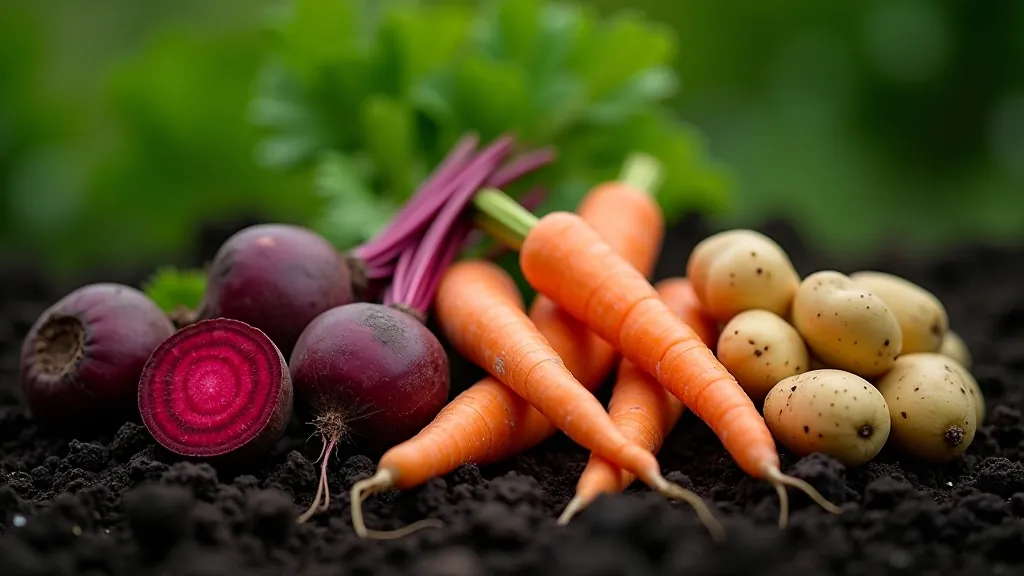
These crops have been grown in Latvia for generations. They're not exotic. They're not difficult. Plant them and they'll produce.
Plant in late May, harvest in September. They're cold-tolerant, store well, and honestly thrive in our soil. Both the roots and greens are edible.
Sow seeds directly in April. Takes about 70 days to harvest. The flavor actually improves after a light frost. Store them in sand in a cool place and they'll last until spring.
Start seedlings indoors in March, transplant in May. Cabbage loves cool weather. Harvest before the first hard freeze in October. Incredibly productive — one plant feeds a family for weeks.
Plant seed potatoes in mid-April. They'll produce in about 90 days. Store in a dark, cool basement and they'll last until next spring. You'll get 5-8 pounds per plant if the soil is decent.
Plant sets in April, harvest in August. They don't mind our climate at all. Dry them properly and store in mesh bags. They keep for months.
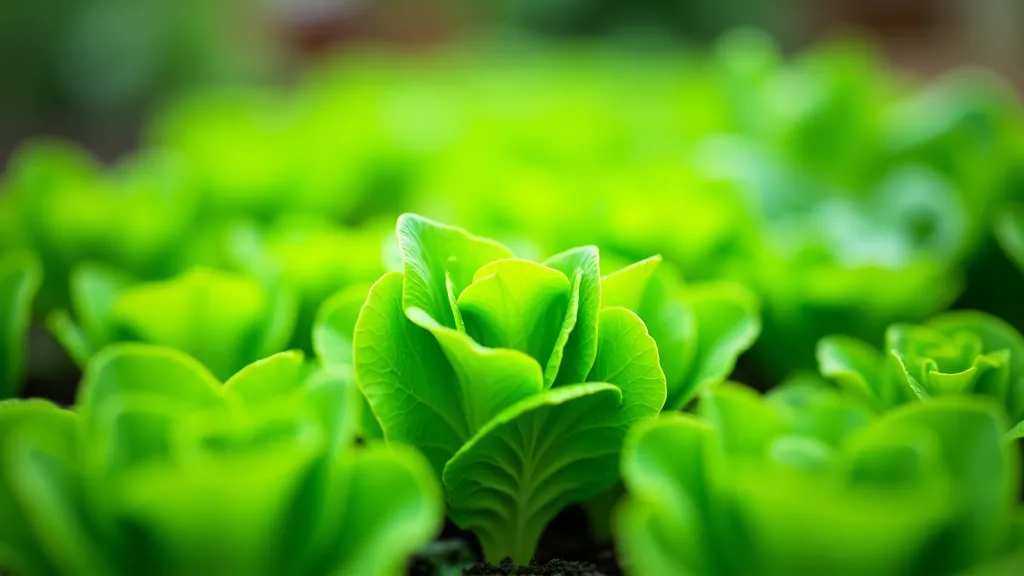
These are where you'll get the fastest results. They're cold-tolerant and produce quickly.
Lettuce and spinach germinate in cool soil. You can start planting in April and keep succession planting every 2-3 weeks until August. They bolt in hot weather, so don't expect them to produce in July, but spring and fall are perfect. A 2-meter row will give you salads for a week.
Kale is genuinely one of the best crops for Latvia. Plant seedlings in May, and it produces all summer and into fall. The flavor actually improves after frost. One plant feeds two people for weeks. It's that productive.
Chard works the same way. Plant it in May, harvest outer leaves as they grow. It's less cold-tolerant than kale, but still solid for a 5-month season. Swiss chard is easier to find seeds for than the Latvian varieties, but both work.
This guide is based on typical Latvian climate conditions and experience from gardeners across Rīga and surrounding regions. Your specific location, soil type, microclimate, and garden aspect will affect results. These recommendations are informational — test different varieties and timing in your own garden to see what works best for your specific conditions. Start small with a few crops, observe results, and expand from there.
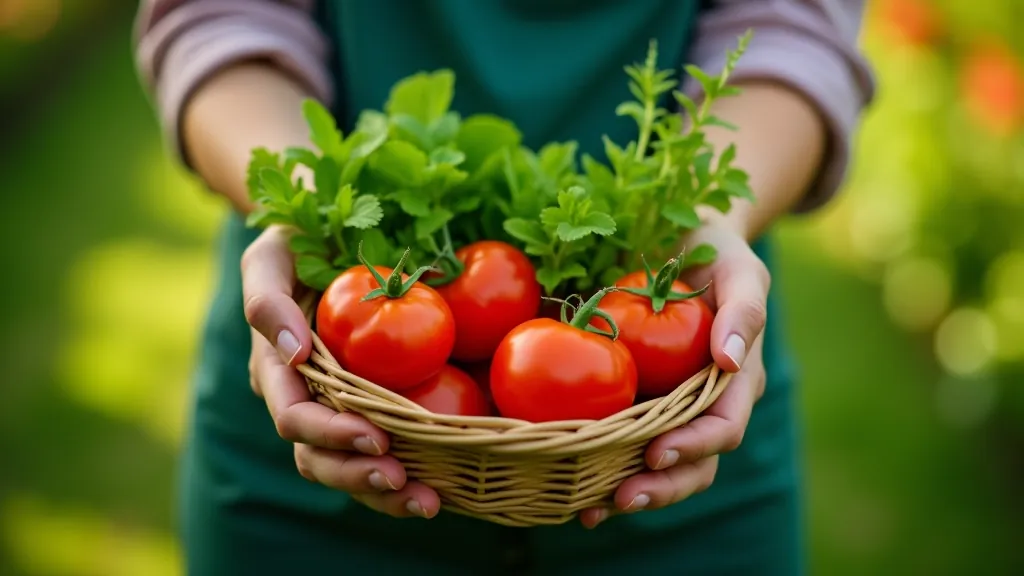
Tomatoes are the question everyone asks. And the answer is: yes, but with a catch.
Early varieties will produce. 'Siberia', 'Subarctic', and similar short-season types can mature in 60-70 days. You'll need to start seeds indoors in late March, transplant hardened seedlings in late May, and they'll produce fruit in August and early September. It's tight timing, but it works.
The thing is, our season ends around mid-October. Green tomatoes don't ripen outdoors after the first frost. So you're harvesting red tomatoes for maybe 4-6 weeks. If you're okay with that window and you've got decent sun exposure, go for it. If you're expecting baskets of tomatoes, you'll be disappointed.
Many gardeners skip tomatoes entirely and focus on crops that actually love our climate. That's totally reasonable. But if you want to try them, pick the short-season varieties and plant them in your warmest, sunniest spot.
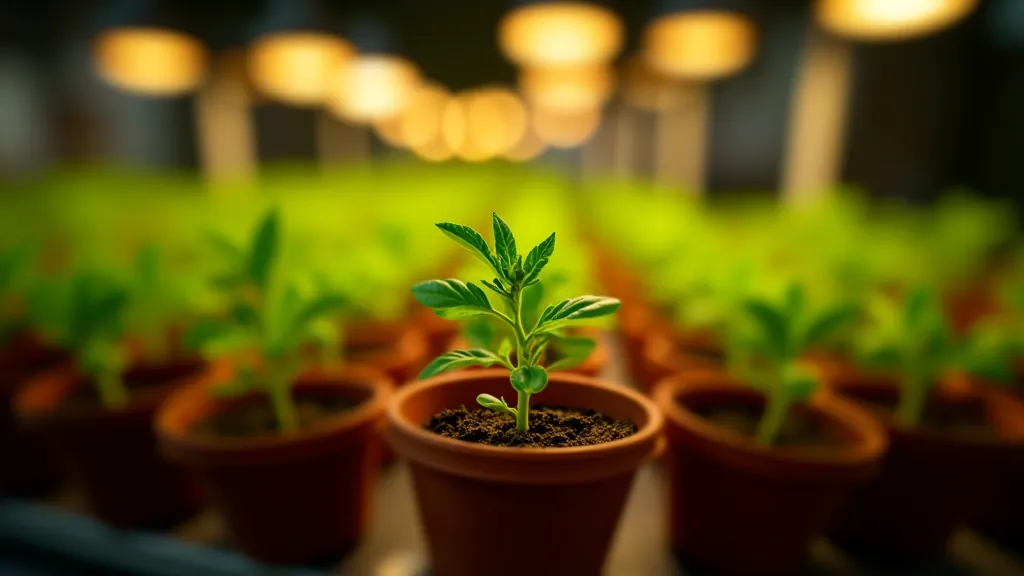
This is roughly how it looks across a Latvian gardening year. Your exact dates will shift 1-2 weeks depending on whether you're in Rīga or further east, and based on that year's spring.
You don't need to grow everything. Start with three crops you actually want to eat. Beets, kale, and potatoes will feed you all summer and into winter. Add carrots and cabbage the next year if you've got space. Skip the tomatoes until you've got the basics down.
The real secret to gardening in Latvia isn't fighting our climate — it's accepting it. We've got a short season and cool nights. That means we can grow incredible cool-season crops that gardeners in warmer places can't touch. Our brassicas are sweeter. Our root vegetables store longer. Our greens are tender and flavorful.
Work with the climate instead of against it, and you'll have a garden that actually produces.