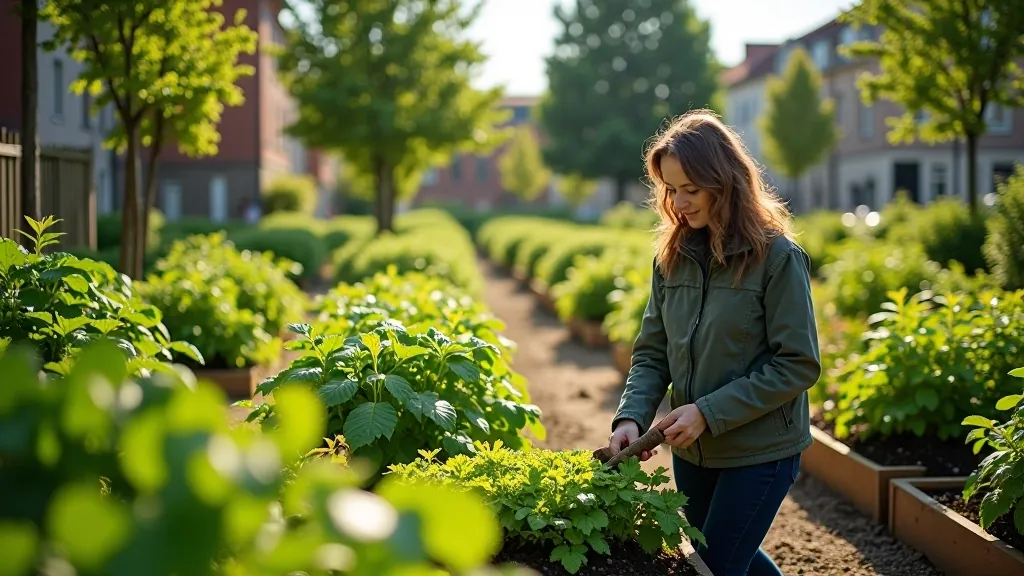

Cold-Hardy Perennials That Thrive in Latvia
The best flowering perennials that survive harsh winters and come back year after year with minimal care.
Read MoreStep-by-step instructions for constructing raised beds that warm up faster and extend your growing season by weeks.
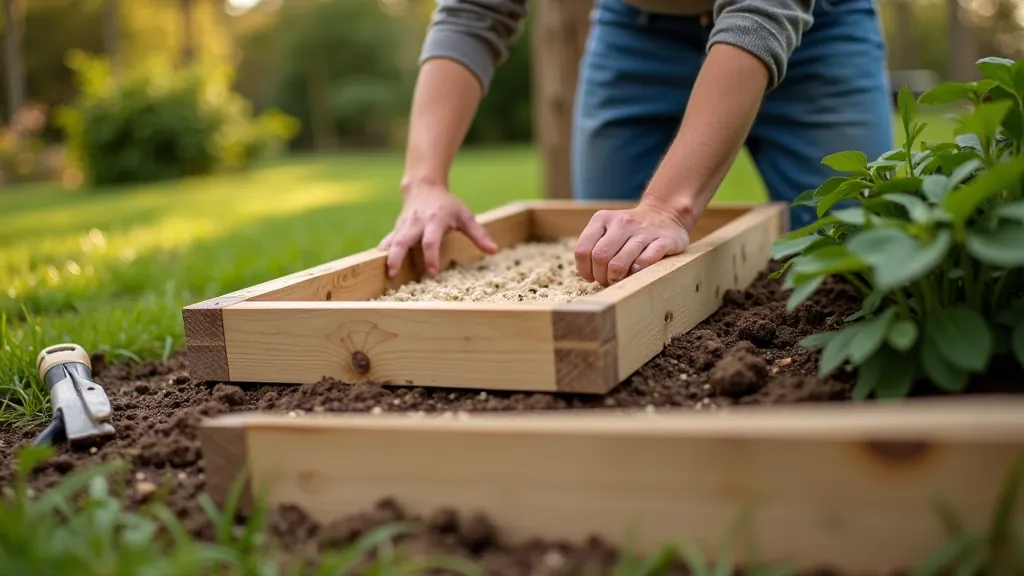
The Baltic summer's short and unpredictable. You'll get roughly 90-100 frost-free days if you're lucky, and that's cutting it close. Raised beds aren't just a gardening trend — they're a practical solution that actually works in our climate.
When you build your beds elevated off the ground, the soil warms up 2-3 weeks earlier in spring compared to in-ground gardens. That extra time matters when you're working with such a compressed growing season. Plus, you'll have better drainage, easier access for weeding, and soil you can control completely.
2-3 weeks earlier spring growth compared to ground-level beds
No waterlogging during heavy Baltic spring rains
Plant earlier in spring, harvest later in autumn
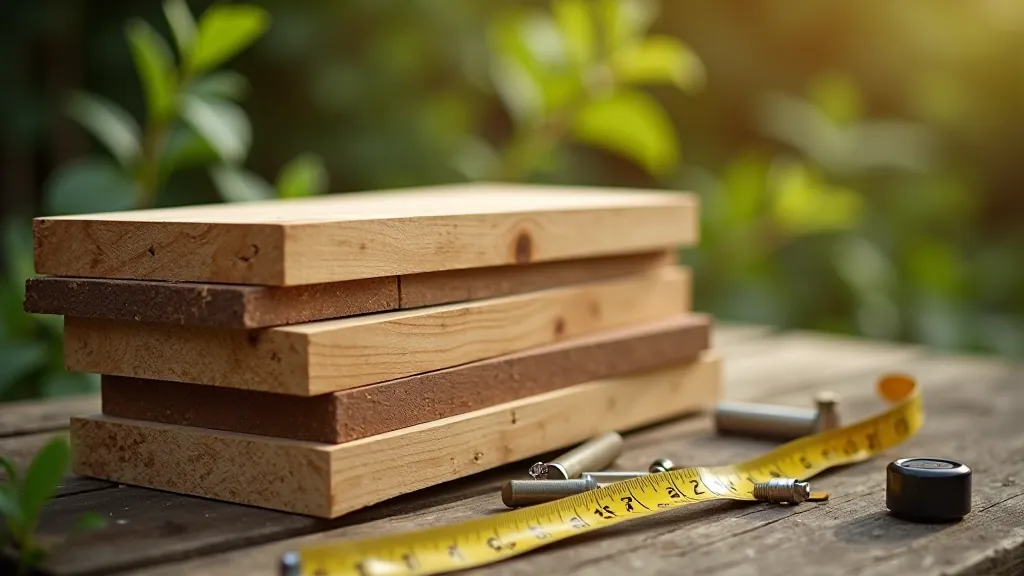
Your bed frame's the foundation of everything. You've got options, but not all of them will survive our damp climate for long. Treated wood that's rated for ground contact is the most practical choice — it'll last 10-15 years without falling apart.
Cedar or larch are premium options if you want something that looks nice and naturally resists rot. They're pricier but they'll outlast everything else. Avoid regular untreated softwood — it'll start rotting within 3-4 years in Latvia's wet conditions.
"I built my first raised bed in 2018 using untreated pine. It lasted three seasons before the bottom started rotting. Switched to treated wood for the next one, and it's still solid after six years. The difference is real."
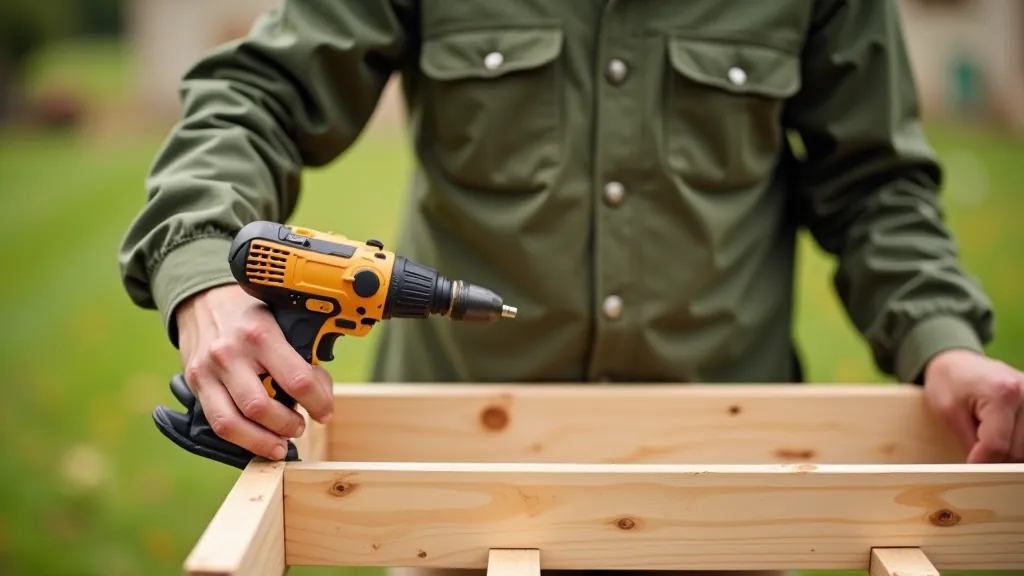
Don't overthink the assembly. You don't need fancy tools. A drill with a screwdriver bit, a level, and a measuring tape will get you through the job. We're using exterior-grade wood screws — they won't rust and they'll hold the frame solid for years.
Pick a spot that gets 6-8 hours of direct sunlight. Level ground matters — if your site slopes, level it out first or plan for one side to be deeper than the other.
Lay out your boards, drill pilot holes, then screw them together at the corners. Use at least three screws per corner. The frame should be square — measure corner to corner, both ways should be equal.
Place the frame where you want it, then check with a level. You want it pretty level front-to-back. It's okay if it's slightly off — don't obsess over it.
Lay down landscape fabric or cardboard to suppress weeds. It's not essential but it helps. Skip the plastic — you want water to drain through eventually.
This article provides educational information about raised bed construction methods. If you're using treated wood, check the manufacturer's guidelines and local regulations. For vegetable gardens, pressure-treated wood rated for ground contact is generally safe, but always verify product specifications. Individual circumstances vary — consider your specific soil conditions and what you plan to grow. This information isn't a substitute for professional advice if you have specific concerns about materials or construction.
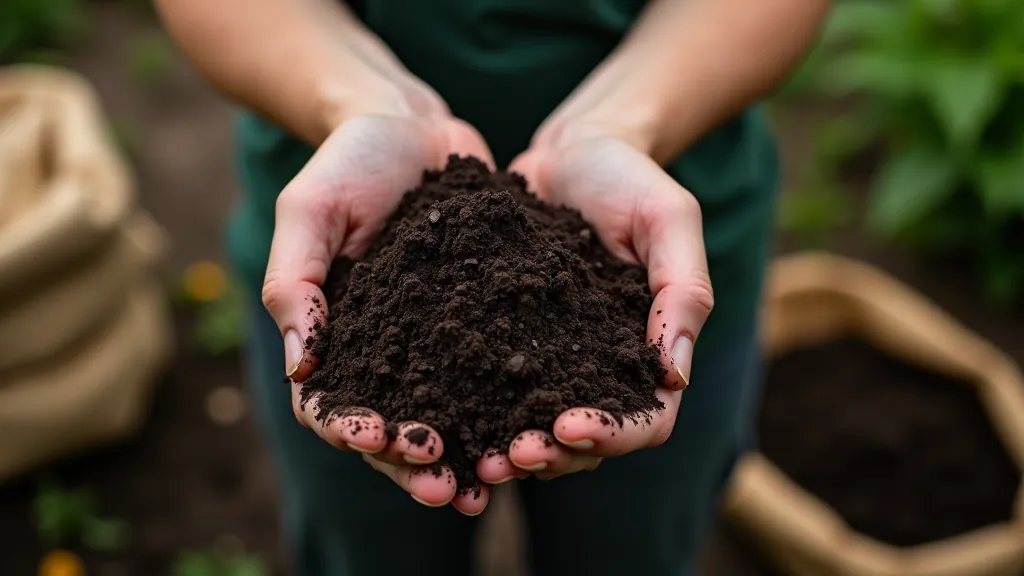
This is where you actually control your growing environment. Don't use topsoil from your yard — that won't warm up any faster than the ground below. You're building a custom soil mix that drains well, warms quickly, and gives your plants what they need.
A solid mix is about one-third compost, one-third peat moss or coco coir, and one-third aged bark or composted wood chips. The compost provides nutrients. The peat holds moisture. The bark keeps it light and airy. This combination warms up fast in spring — crucial for those early weeks when every day counts.
You'll need roughly 16 cubic feet of soil to fill a 4×8×12 inch bed. That's about 8-10 bags of bagged soil if you're buying it pre-made, or you can mix your own and save money. Either way, you're investing in soil that'll last you multiple seasons.
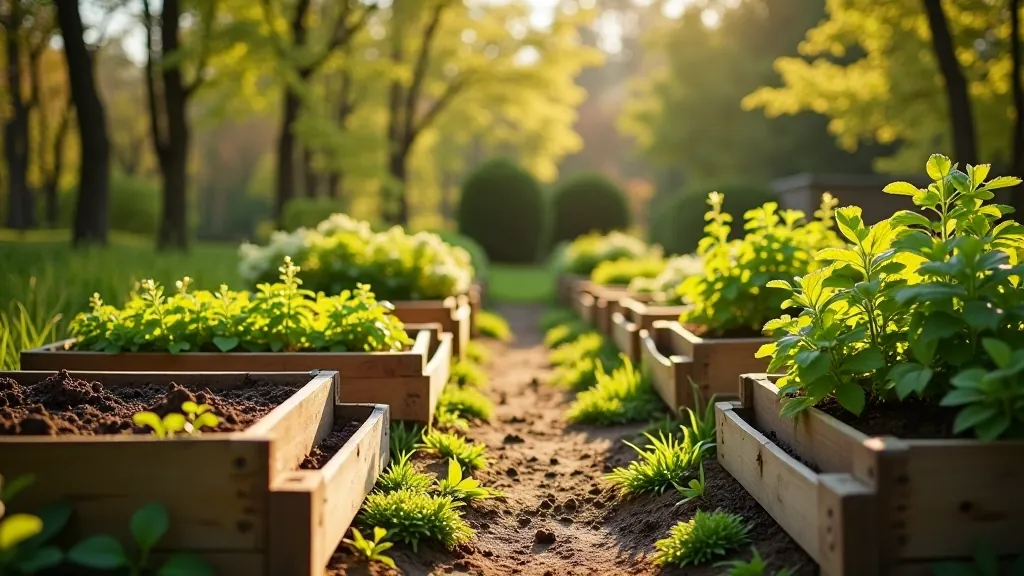
You've built your bed and filled it with good soil. Now the real advantage kicks in. Start planting about 2-3 weeks earlier than ground-level gardens. Cold-hardy crops like lettuce, spinach, and peas can go in as soon as the soil's workable — usually mid-April in the Rīga area.
In autumn, you'll get an extra 2-3 weeks at the end too. The elevated soil stays warmer longer as temperatures drop. This means you can plant fall crops like kale and cabbage later and still harvest before the first hard freeze. It's not magic — it's just physics. Elevated soil exposed to more air warms and cools more responsively than ground-level soil.
Many gardeners in Latvia use simple row covers or cold frames on top of their raised beds for even more protection. A piece of clear plastic or shade cloth draped over a frame can add another 4-5 degrees on chilly nights. It's worth experimenting with once you've got your basic bed working.
Building a raised bed isn't complicated, and you don't need to be experienced. The most important thing is starting. If you're new to gardening in Latvia, a single 4×6 foot bed is a perfect place to begin. You'll learn what works in your space, what grows well, and what challenges you face with the Baltic climate.
The investment pays off quickly. Better soil warmth, longer growing season, easier maintenance, and better yields. Within a season or two, you'll wonder why you didn't build raised beds sooner. And if your first attempt isn't perfect? That's fine. You'll adjust and improve next year. That's gardening.