
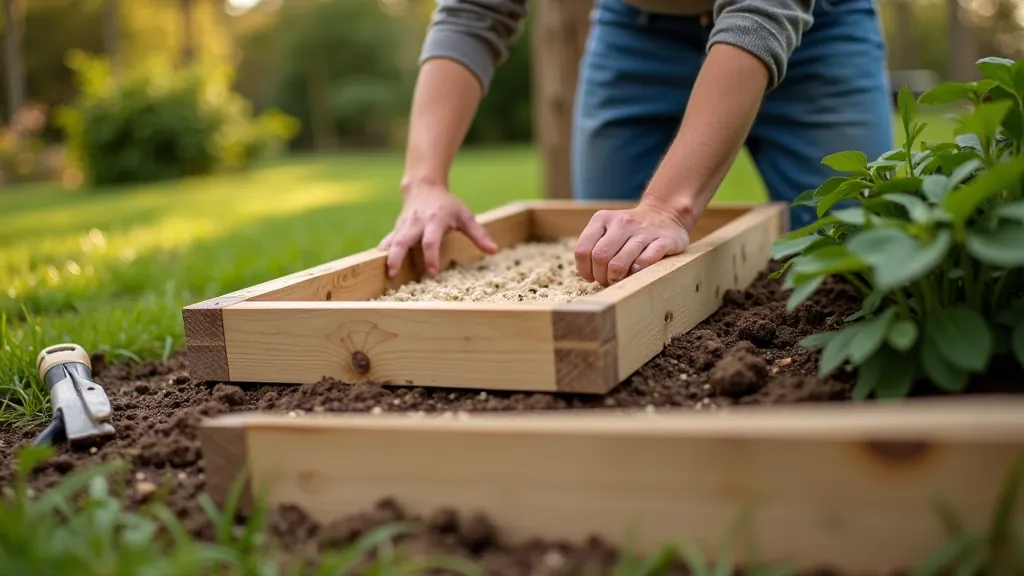
Building Raised Beds for Short Baltic Summers
Step-by-step instructions for constructing raised beds that warm up faster and extend your growing season by weeks.
Read MoreFrom balcony herbs to full allotment gardens, we're here to help you garden successfully in the Baltic climate. Learn what actually grows, what doesn't, and how to make the most of your short growing season.
Explore Guides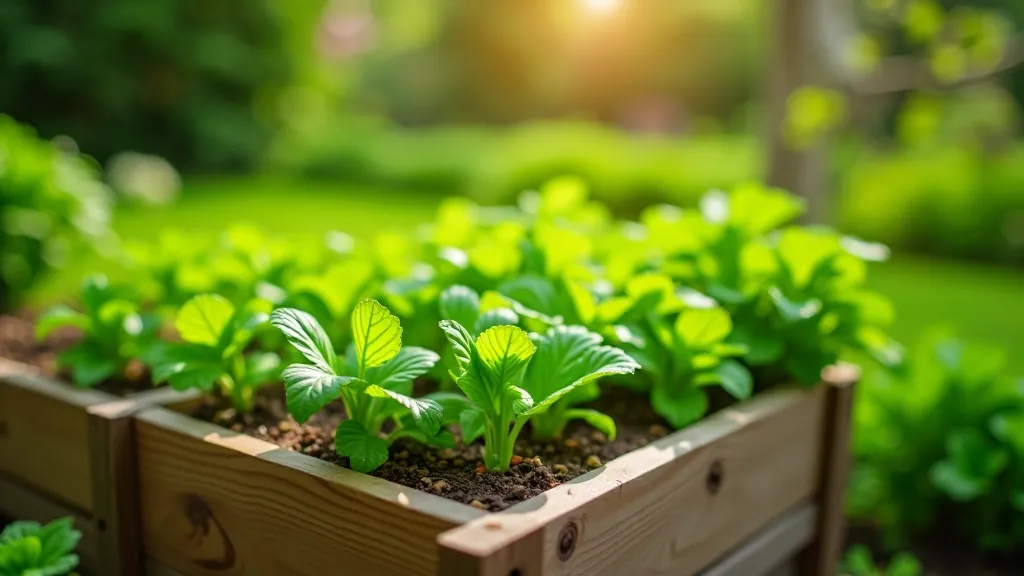
Practical guides and tips designed for Latvia's climate and growing conditions
Step-by-step instructions for constructing raised beds that warm up faster and extend your growing season by weeks.
Read More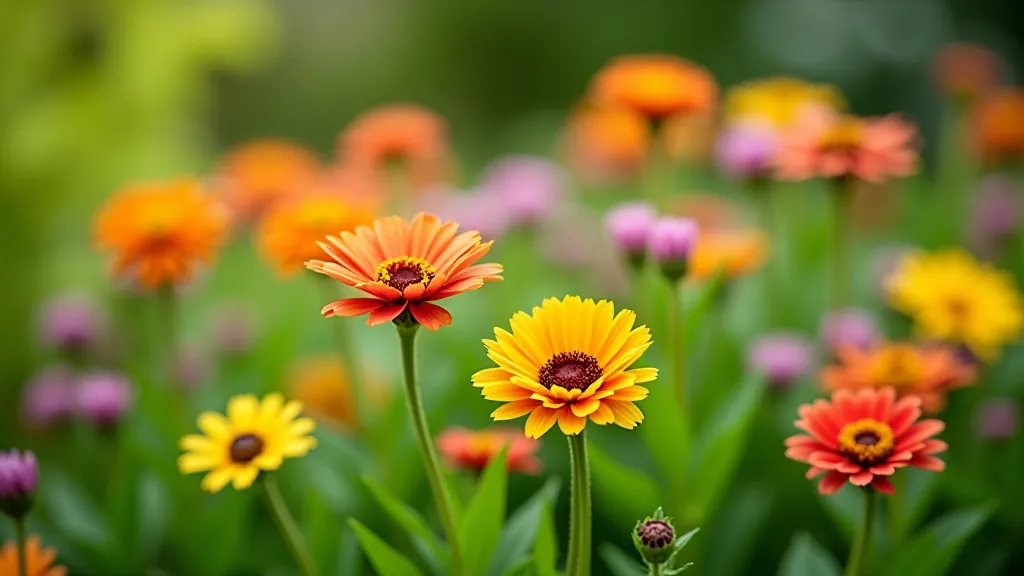
The best flowering perennials that survive harsh winters and come back year after year without fussing.
Read More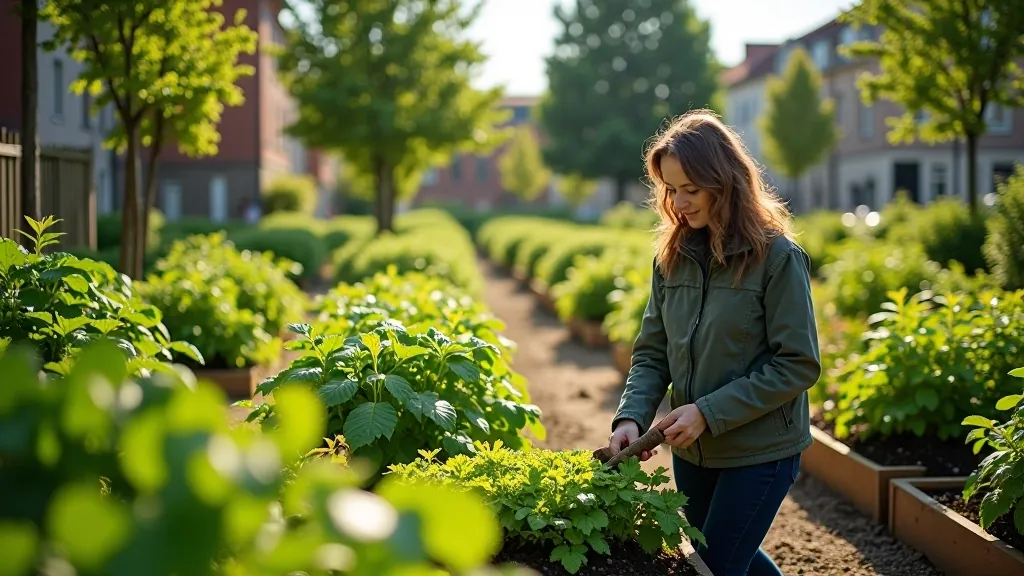
Everything you need to know about getting a plot, what to grow, and how to manage it successfully through the season.
Read More
Stop fighting the climate. Here's what grows reliably, what needs a head start, and what to skip entirely.
Read MoreQuick answers to what beginners ask most often
Most gardeners start seeds indoors in March, about 6-8 weeks before the last frost date (typically mid-May). This gives seedlings time to grow strong before transplanting outside. Some people start as early as February if they have good light, but it's easy to end up with leggy seedlings if you start too early.
Most vegetables want 6-8 hours of direct sunlight daily. Some, like lettuce and spinach, can tolerate partial shade (4-6 hours). In Latvia, where summers are shorter and sunlight angles are lower, picking the sunniest spot in your garden makes a real difference. Don't underestimate shade from buildings and trees.
Tomatoes, yes — especially determinate varieties and cherry tomatoes. Peppers are harder because they need more heat and a longer season. You'll have better luck with peppers in raised beds or against a south-facing wall that absorbs warmth. Starting indoors early (February) helps a lot. Some gardeners use cloches or row covers to keep plants warm.
A mix of compost, peat or coco coir, and perlite works well. Local Latvian gardeners often use peat since it's available and affordable. The goal is something that drains well but holds moisture — not too heavy, not too light. Most people fill their beds in spring and refresh the top layer with compost each year. You don't need expensive premixed soil blends.
Key dates and information for planning your garden calendar
| Event | Typical Date | What to Do |
|---|---|---|
| Last Spring Frost | May 10-15 | Safe date for transplanting frost-sensitive plants outdoors |
| Growing Season Starts | Mid-May | Plant warm-season crops (beans, cucumbers, squash) |
| Peak Summer Light | June-July | Longest days (nearly 17 hours). Monitor for watering needs |
| First Fall Frost | September 20-30 | Protect tender plants or harvest before hard freeze |
| Growing Season Ends | Early October | Final harvest and garden cleanup |
| Perennials Dormant | November-April | Winter protection and spring division planning |