
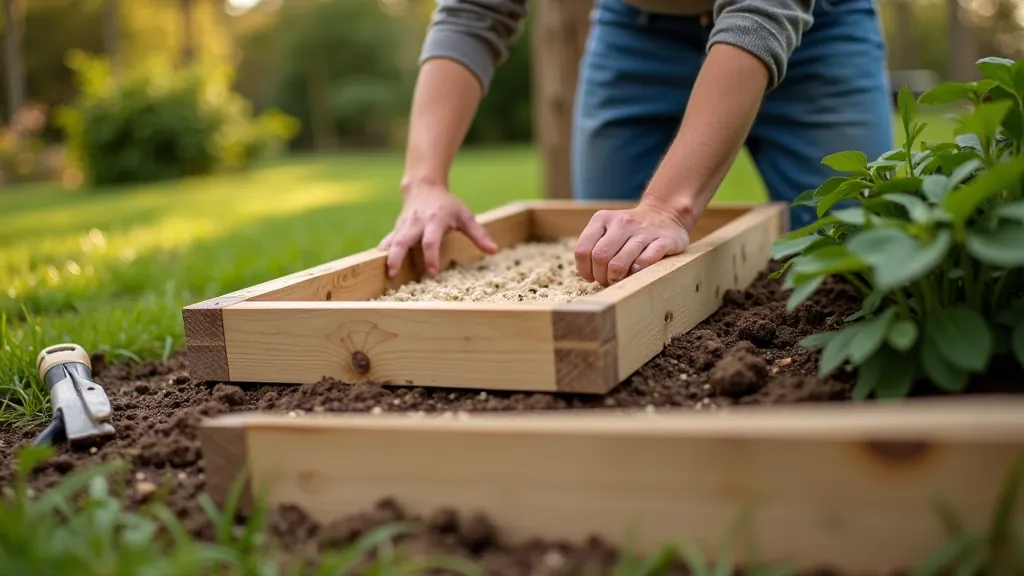
Building Raised Beds for Short Baltic Summers
Step-by-step instructions for constructing raised beds that warm up faster and extend your growing season in Latvia's climate.
The best flowering perennials that survive harsh winters and come back year after year without fussing.
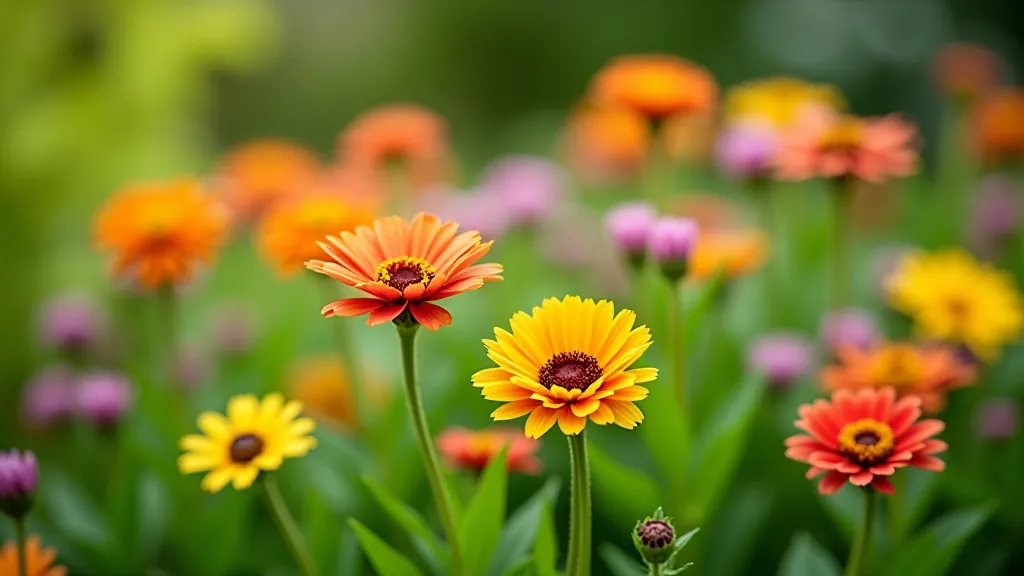
Growing flowers in Latvia doesn't have to be a constant battle against the climate. Thing is, there are perennials that don't just survive our winters — they actually thrive in them. These plants come back year after year without needing to be replanted, which means less work and more beautiful gardens from spring through fall.
The key is understanding what "hardy" really means. It's not just about tolerating cold. It's about plants that've adapted to short growing seasons, unpredictable spring frosts, and heavy snow loads. We're talking about perennials that'll bloom reliably, spread naturally, and keep getting better with age.
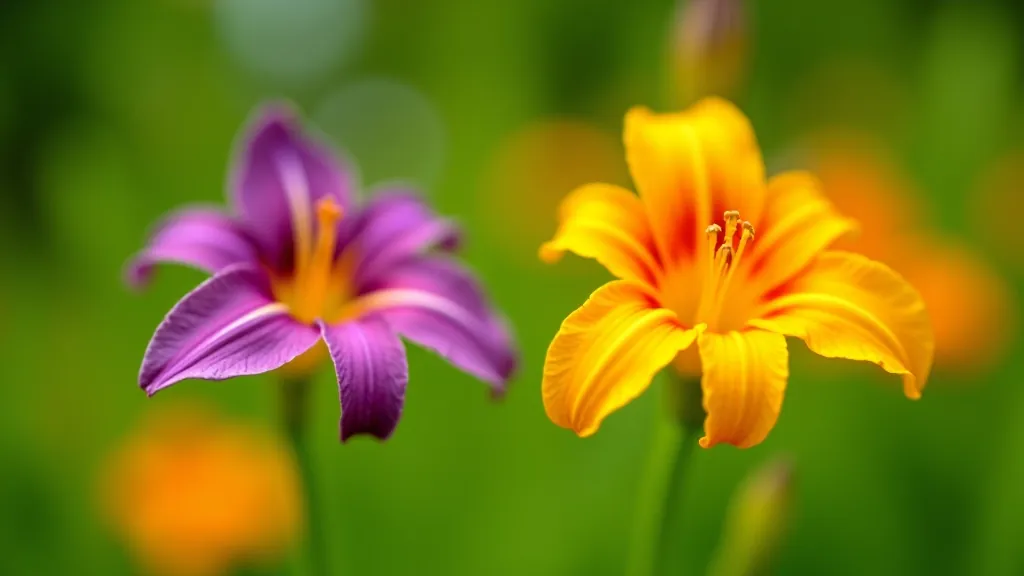
Daylilies are honestly the MVP of Latvian gardens. Each flower lasts just one day — that's where the name comes from — but the plants produce dozens of blooms over several weeks. You'll get continuous color from early June through August depending on the variety.
What makes them perfect for us is their toughness. Daylilies don't care about soil quality, they handle drought once established, and they're completely indifferent to our temperature swings. Plant them in spring, and by the next year they'll have spread into decent-sized clumps. Popular varieties like 'Stella de Oro' actually bloom twice — once in early summer and again in late summer if you deadhead them.
The range of colors is wild too. You're not limited to orange anymore. Look for deep purples, soft pinks, pale yellows, and even near-white varieties. Most reach about 60-90 cm tall depending on the cultivar, and they need minimal maintenance beyond occasional dividing every 4-5 years.
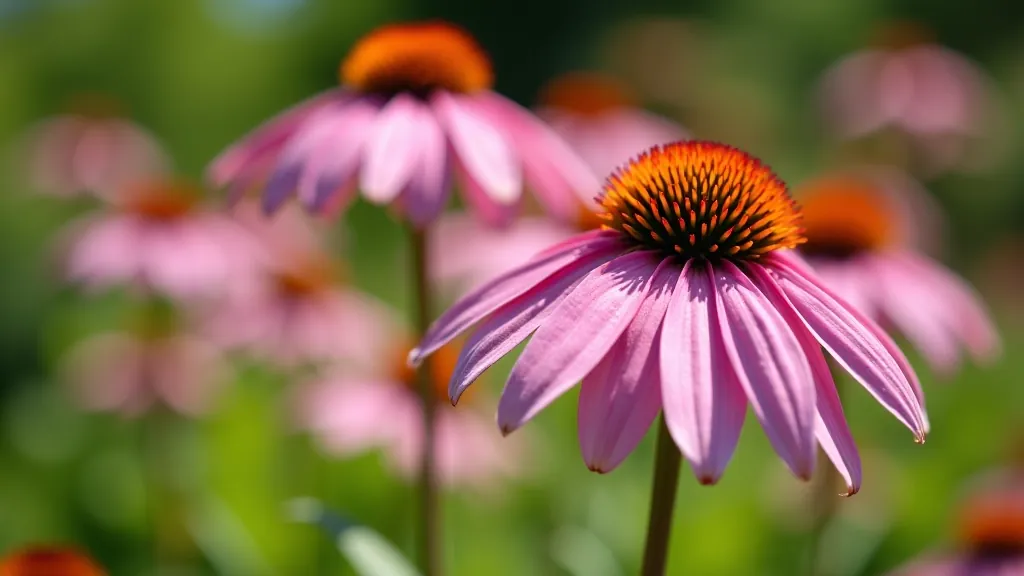
Coneflowers (echinacea) are the queens of the late-summer garden. They bloom from July right through September, giving you color when most other perennials are winding down. The distinctive orange-red spiky center surrounded by pink, purple, or white petals is instantly recognizable.
Here's why we love them for Latvia: they're incredibly hardy — they'll handle -30°C winters without issue. They don't need rich soil, they don't need constant watering, and they actually prefer drier conditions. Plant them in full sun and they'll reward you with blooms for 8-10 weeks straight.
The butterflies and bees go absolutely wild for them. If you're looking to support pollinators while creating a beautiful garden, coneflowers are non-negotiable. Leave the dried seed heads on the plants through winter — they'll feed birds and look beautiful with frost on them. You can deadhead throughout summer for more blooms, or just leave them be.
The hardiness ratings and performance descriptions in this guide are based on typical Latvian growing conditions and established horticultural research. Individual results may vary based on your specific microclimate, soil composition, drainage, and winter snow cover. We recommend consulting with local nurseries or gardening groups in your region for site-specific recommendations. Always verify USDA hardiness zones and local growing conditions before making planting decisions.
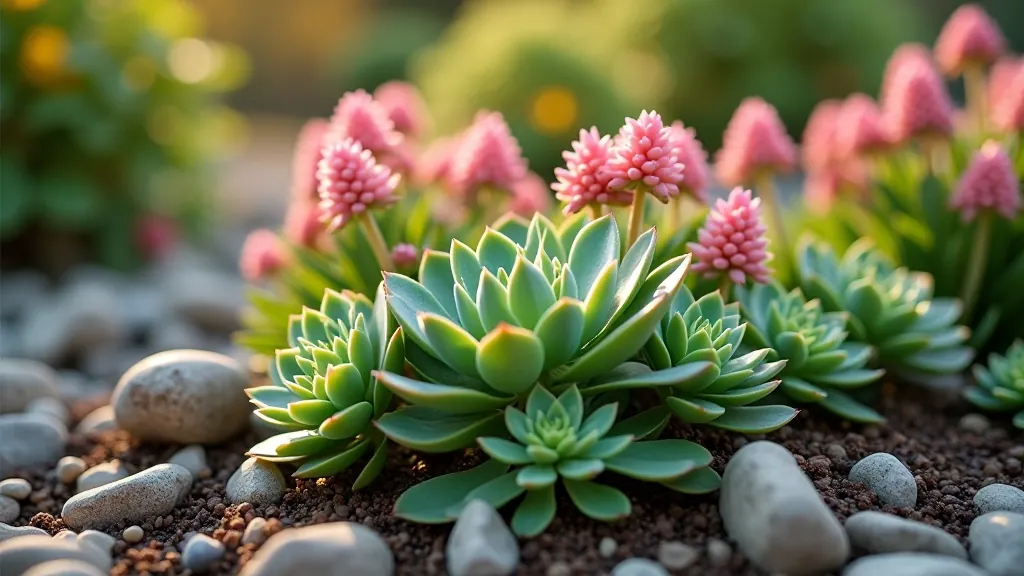
Sedums are practically foolproof. They're succulents that store water in their fleshy leaves, which means they can handle drought better than almost any other perennial. You won't believe how tough they are — we're talking complete neglect tolerance combined with genuine beauty.
Different varieties give you different looks. Autumn Joy (now called Autumn Fire) grows 60 cm tall and produces massive flower heads that change from pink in late summer to deep burgundy in fall. Sedum telephium varieties come in purple-tinged foliage with pink flowers. The creeping sedums work beautifully as groundcover between stones or in rock gardens.
What's brilliant about sedums for Latvia is their late-season performance. While everything else is fading in September and October, sedums are actually getting more colorful. The flowers darken, the foliage develops rich tones, and they look stunning with morning frost on them. Leave the dried seed heads standing through winter — they're architectural and gorgeous.
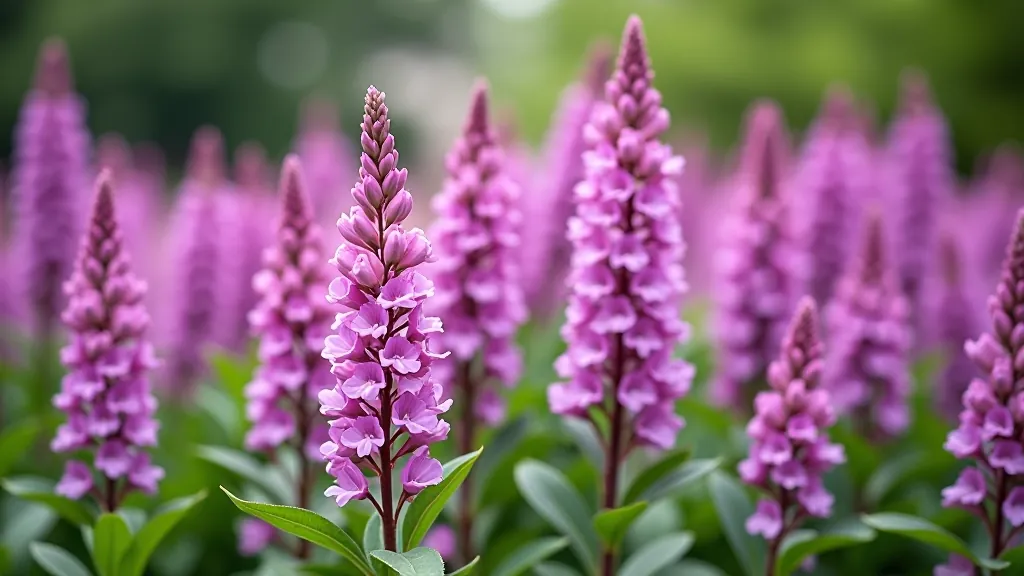
Phlox is the backbone of traditional Latvian gardens. You'll see it in every village garden, and there's a reason — it's reliable, beautiful, and incredibly fragrant. Walking past a phlox border in peak bloom is one of summer's simple pleasures.
There are two main types worth knowing about. Tall phlox (Phlox paniculata) reaches 75-100 cm and produces those dense flower spikes from July through September in pink, purple, white, and bicolor combinations. Creeping phlox (Phlox subulata) stays low and spreads as groundcover, blooming earlier in spring. Both are completely hardy here.
Phlox does prefer slightly better soil than some perennials — add some compost when planting. Give them full sun and they'll reward you with stronger growth and better blooms. Divide clumps every 3-4 years to keep them vigorous. The fragrance is genuinely intoxicating — you'll want to plant them near seating areas or walkways where you can enjoy it.
You don't need to fill your garden with a hundred varieties. Pick 3-4 of these cold-hardy perennials and plant them in groups of 3-5. That's how real impact happens. Daylilies for mid-season color, coneflowers for late summer and pollinator support, sedums for structure and autumn tones, and phlox for fragrance and tradition.
The beauty of perennials is that they get better every year. That small plant you set out in spring becomes a substantial, blooming presence by summer of year two. By year three, you've got established plantings that require almost nothing except occasional deadheading and dividing when they get too big. That's the whole point — gardens that work with you, not against you.
Start with these hardy players and you'll have a garden that's genuinely beautiful and actually manageable. No more replanting every spring. No more fighting the climate. Just reliable, honest blooms year after year.