Building Raised Beds for Short Baltic Summers
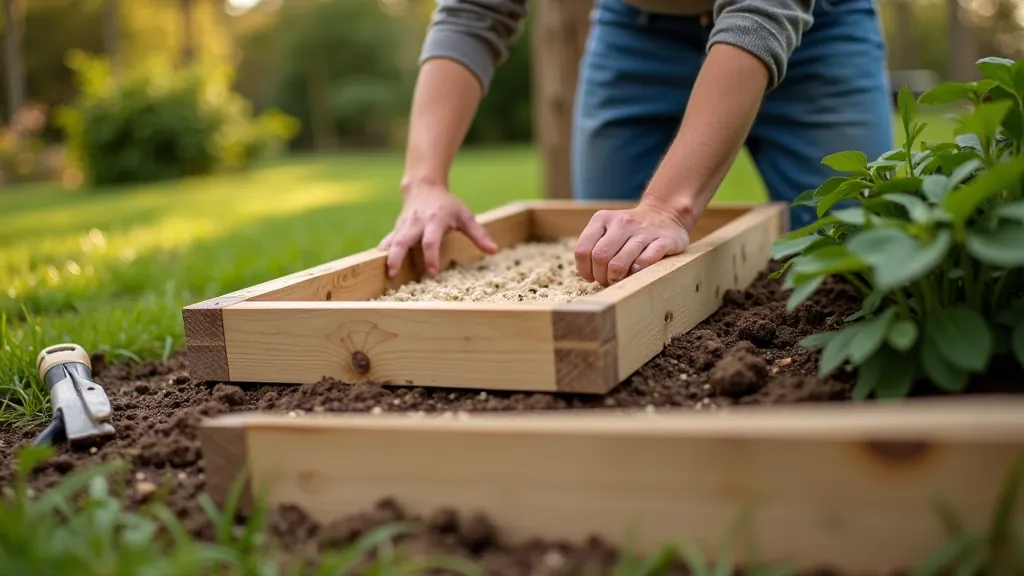
Step-by-step instructions for constructing raised beds that warm up faster and extend your growing season in the Baltic climate.
Everything you need to know about getting a plot, what to grow, and how to manage it successfully through the season.
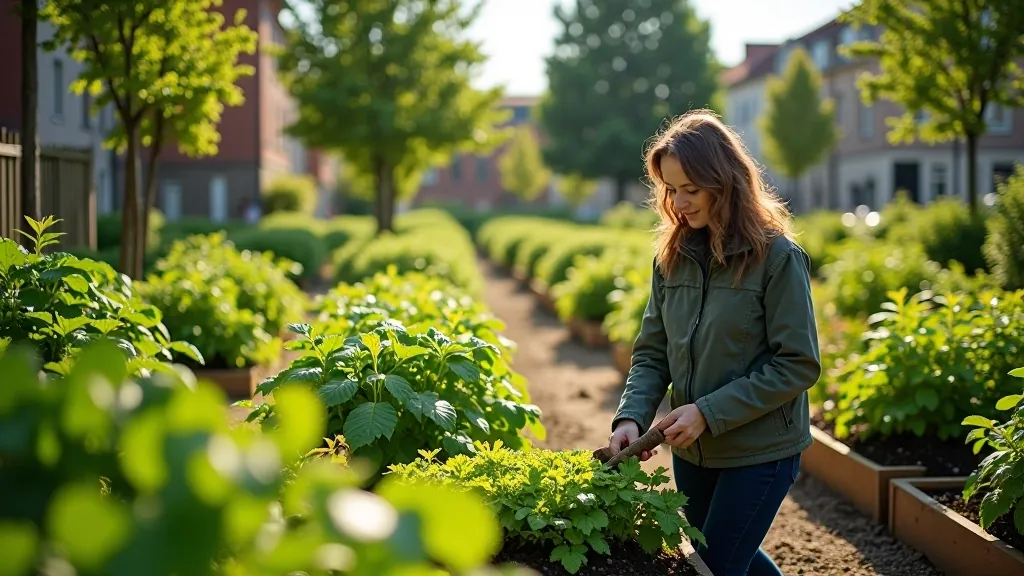
Rīga's allotment gardens, or dārzs , aren't just patches of land. They're community spaces where people grow their own food, experiment with new plants, and escape the urban grind for a few hours each week. If you're thinking about starting one, you're not alone — these gardens have seen a real resurgence over the past decade.
The Baltic climate isn't the easiest to work with, but it's far from impossible. You'll find that once you understand the rhythm of short summers and long winters, growing food here becomes genuinely rewarding. The trick is knowing what actually works in our conditions and setting realistic expectations for your first season.
Months of active growing season
Allotment sites across Rīga
Hours of daylight in summer
Finding an available plot takes some legwork, but it's not complicated. Most allotment sites in Rīga are managed by neighborhood associations or the city, and they maintain waiting lists. You'll typically need to apply directly through the association managing the garden you want.
Standard plots run about 400–500 square meters. That sounds spacious, but you'll fill it faster than you'd think. Many beginners make the mistake of trying to use every inch in year one. Don't do that. Start with half the space, learn what works, then expand next season.
The application process varies by site, but expect to pay a modest annual fee (usually 20–40 euros) plus a one-time deposit for plot maintenance. Once you're approved, you've got your growing space for as long as you want it.
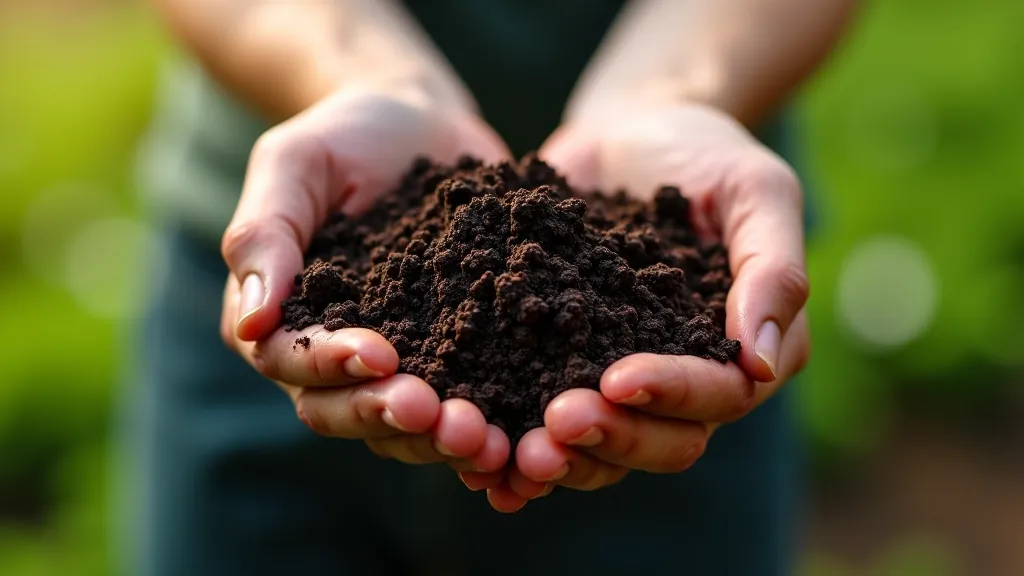
Don't skip this step. The soil you inherit probably needs work. Rīga's typical allotment plots come with mixed-quality earth — sometimes clay-heavy, sometimes depleted from previous seasons. You'll want to test it if possible, but honestly, adding compost is always the right move.
Most gardeners here build raised beds or mounds to warm the soil faster in spring and improve drainage. It makes a real difference in our climate. A 20–30 cm raised bed filled with good compost and topsoil will warm up 2–3 weeks earlier than ground-level beds. That extra time? It's crucial for crops like tomatoes and peppers.
Get compost from local suppliers — don't skimp. Poor-quality compost invites weeds and pests. A 100 square meter bed typically needs about 3–4 cubic meters of compost mixed with existing soil.
Important Note: This guide is educational and based on general gardening practices in the Rīga climate. Growing conditions vary by specific location, soil type, and microclimate. We recommend consulting local gardening groups or extension services for advice tailored to your specific plot. Always check with your allotment site's management regarding any site-specific rules or recommendations.
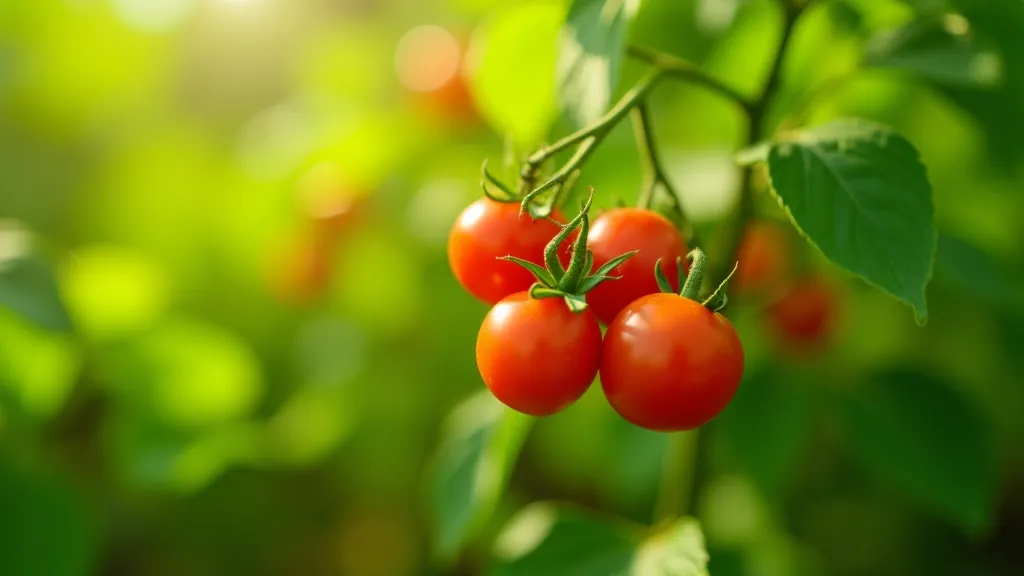
This is where reality meets ambition. You can grow a lot here, but tomatoes and peppers need patience. They're possible — especially in raised beds — but they'll take longer to mature than in warmer regions. Many experienced local gardeners start these from transplants rather than seed, giving them a head start.
Leafy greens, brassicas, and root vegetables are your reliable friends. Lettuce, spinach, kale, cabbage, carrots, beets, and potatoes all thrive here. Plant them early (late April or May) and you'll harvest by late August or September. Some gardeners even grow a second round of faster-maturing greens in mid-summer for autumn harvest.
Herbs like dill, parsley, and chives are practically foolproof. Plant them once and they'll come back reliably. Onions, garlic, and peas also perform well with minimal fuss.
Our summers can be surprisingly dry. Consistent watering — especially in June and July — makes the difference between good yields and disappointing ones. Morning watering is best. Drip systems or soaker hoses beat overhead spraying.
You've got 18–20 hours of daylight in summer. That's an advantage. Light-loving crops perform exceptionally well. Plan your planting so you're harvesting during the brightest weeks of the year.
Colorado potato beetles and cabbage moths are common pests here. Hand-picking and netting work well without chemicals. Many local gardeners use companion planting — nasturtiums and marigolds help deter unwanted insects.
Growing transplants indoors from March to May extends your season significantly. Tomatoes, peppers, and eggplants especially benefit from this approach. You'll get a much better harvest than starting from seed directly outdoors.
Start thinking about your garden in February. That's when you'll order seeds and plan your layout. By late March, you can begin starting transplants indoors if you've got a window or grow lights.
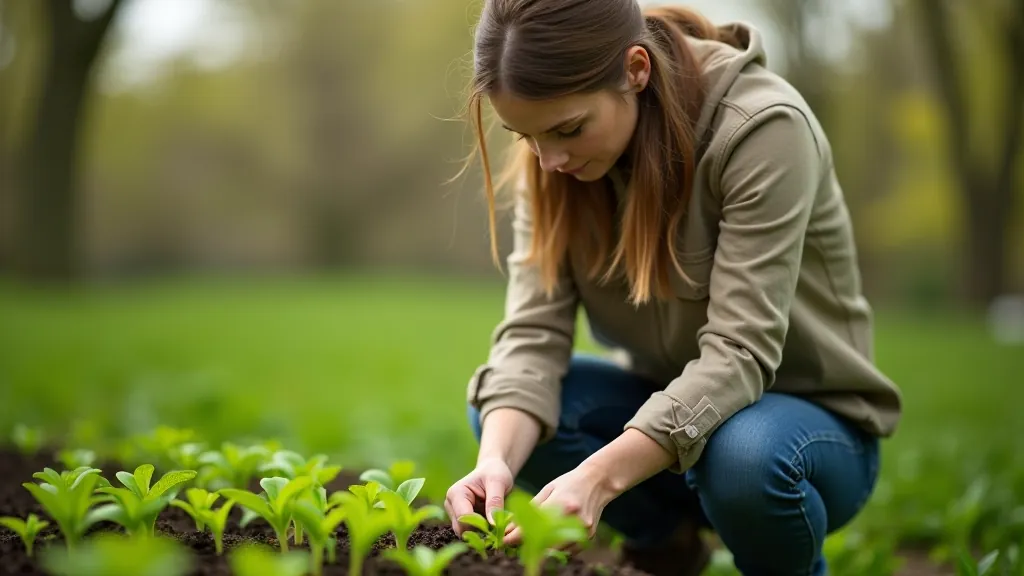
Late April through May is planting time outdoors. Cold-hardy crops go in first — lettuce, peas, cabbage. Wait until mid-May for tender plants like beans, zucchini, and cucumber. Tomatoes and peppers go in after the last frost, typically late May or early June.
By July, you're harvesting early crops and managing mature plants. August brings the bulk of your harvest. September is your last chance to plant quick-maturing greens for an autumn crop. By October, most gardens are winding down, though some hardy crops (kale, spinach) keep producing into November.

Starting an allotment garden in Rīga isn't complicated — it just requires knowing what works in our climate and being willing to learn as you go. Your first season will teach you more than any guide can. You'll discover what grows well in your specific plot, which neighbors become good friends, and how satisfying it is to eat something you've grown yourself.
Don't expect perfection. Some crops will thrive, others won't. That's gardening everywhere, but especially here in the Baltics. What matters is that you're trying, you're learning, and you're becoming part of a community that's been growing food in Rīga for generations.
Ready to start? Find your local allotment site, put in an application, and plan for next spring. You've got this.